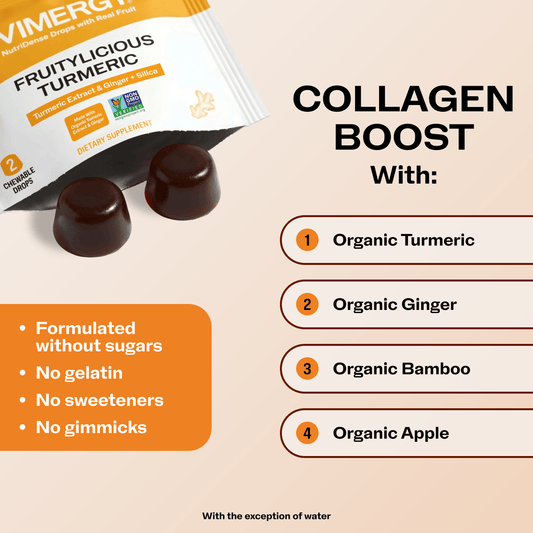
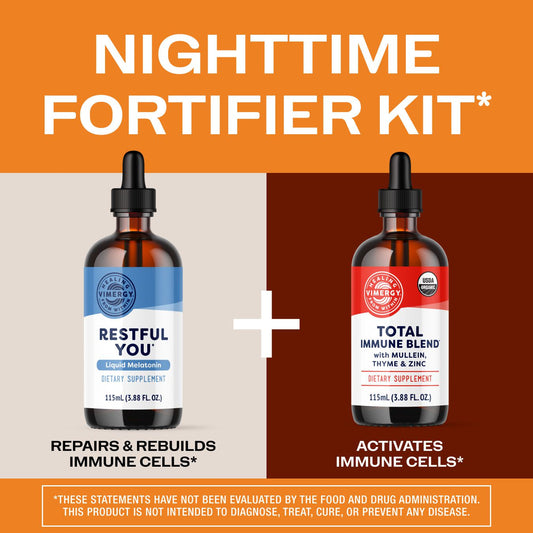
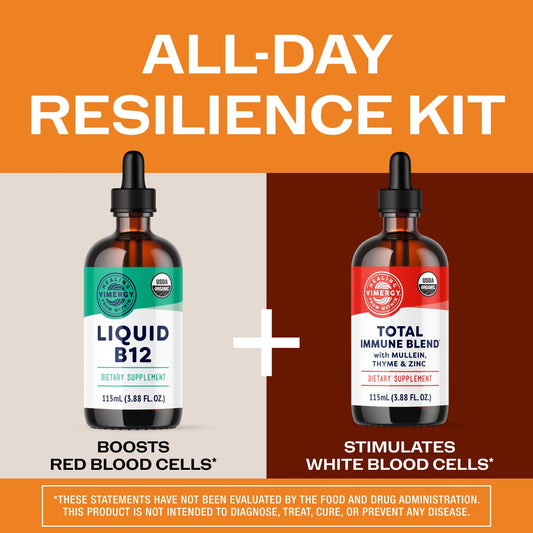
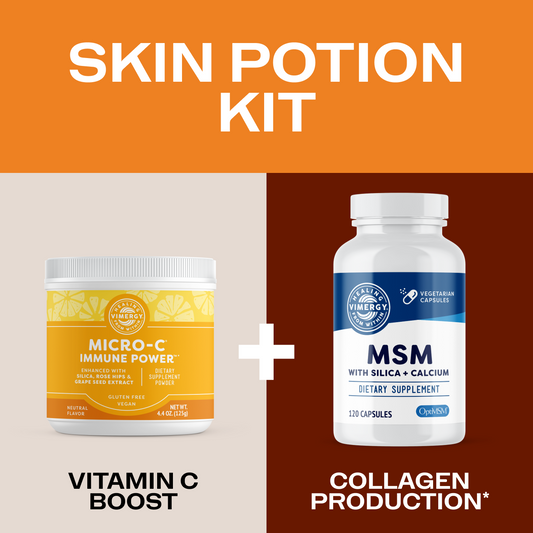
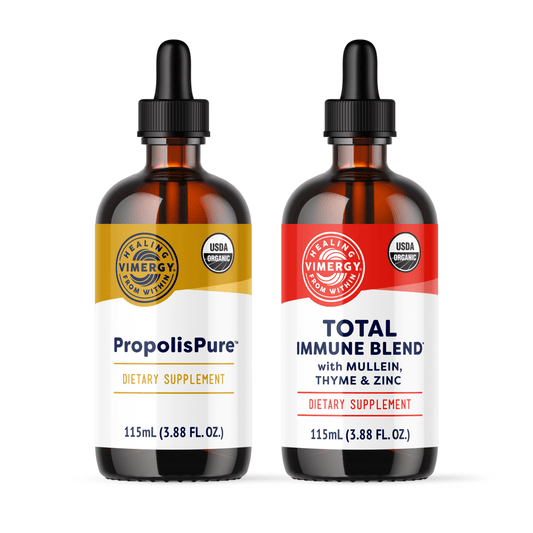
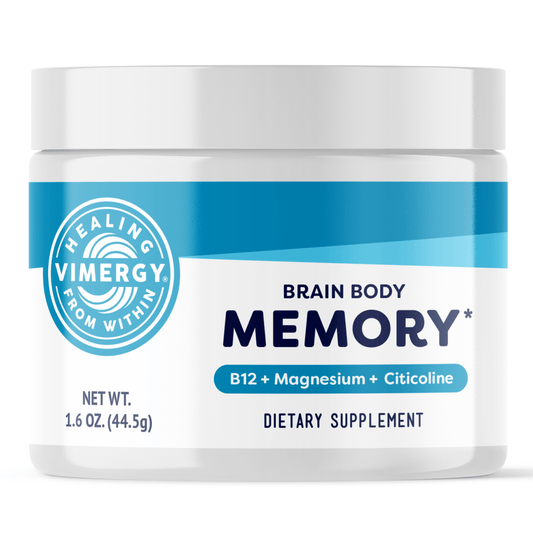
This Wellness Week, VIMERGY makes it easy to kick off your very own wellness routine. Most routines don't fail because people don't care. They fail because they're built on an all-or-nothing mindset. We wait for a fresh Monday or a new month, commit to an overhaul of our meals, workouts, sleep and screen time all at once, and then feel discouraged when real life gets in the way.
Lasting change tends to work differently. Research on habit formation consistently points to the same pattern: small, specific actions repeated in a stable context are the ones that eventually become automatic. It's the glass of water you drink every morning before your coffee, the ten-minute walk after lunch, the phone that goes on the charger in the kitchen instead of beside your bedside. None of these feel dramatic in the moment, but over weeks and months they quietly reshape how you feel day to day.
That's the spirit of this 7-step guide to building a wellness routine that lasts. Rather than handing you an overhaul, we'll walk you through each stage, from figuring out what wellness means to you and choosing a realistic first habit, to layering in nourishment, movement, rest and stillness at a pace you can sustain. Think of it as a framework you can return to whenever you're ready to begin again, because a good routine isn't something you start once. It's something you keep coming back to.
Step 1: Start With Why, Not What
Start by taking a few minutes to ask yourself what “feeling well” actually means to you. For some people it's having steady energy in the afternoon. For others it's sleeping through the night, feeling more focused, or having glowing hair, skin and nails also known as looking your best.
Write down one or two sentences that describe how you want to feel. That becomes your compass. When you're deciding whether a new habit is worth your time, you can ask a simple question: does this move me closer to how I want to feel?
Step 2: Pick A Few Anchor Habits
Instead of overhauling your whole day, choose one, two or three habits to start with. Good anchor habits are small enough that you could do them even on a bad day. Drinking a glass of water when you wake up, stepping outside for five minutes of morning light or incorporating some key supplements into your daily routine.
The goal isn't to make a dramatic overhaul. It's to prove to yourself that you can show up consistently. That feeling of follow-through builds momentum, and momentum makes the next habit easier.
Step 3: Attach New Habits to Old Ones
One of the most reliable ways to make a habit stick is to link it to something you already do every day. This is often called habit stacking. You already brush your teeth, make tea and check your phone, so use those moments as cues.
For example, while your tea steeps, you might take three slow breaths. After you close your laptop for the day, you might take a short walk around the block. When you reach for your morning journal, you might take your wellness supplement. When the new habit has a clear trigger, you don't have to rely on remembering it. It simply becomes part of the flow.
Step 4: Build Around the Four Foundations
Once your anchor habits feel autonomous, you can gradually layer in others. It helps to think about wellness in terms of a few simple foundations.
Nourishment. Focus on adding rather than restricting. Could you add a piece of fruit to breakfast, a handful of leafy greens to lunch or one more glass of water in the afternoon? Small additions tend to crowd out less supportive choices on their own.
Movement. Movement doesn't have to mean an intense workout. Walking, dancing in the kitchen, gardening or gentle yoga all count. Find something you genuinely enjoy because enjoyment is what keeps you coming back.
Rest. Sleep is often the first thing we sacrifice and the last thing we protect. Try setting a consistent wind-down time, dimming the lights an hour before bed and putting your phone in another room.
Stillness. A few minutes of quiet each day can shift how the rest of it feels. That might be journaling, prayer, meditation or simply sitting with your tea before the house wakes up.
Step 5: Make It Easy and Make It Visible
Environment matters more than motivation. If you want to drink more water, keep a filled bottle on your desk. If you want to stretch in the morning, leave your mat unrolled. If you want to journal, put the notebook on your pillow. If you want to make sure you remember to take your Liquid B12 each morning, put it next to your tea kettle or toothbrush.
Step 6: Be Kind When You Slip
You will miss days. Everyone does. What matters most is how you respond. A missed day isn't a failure. It's just a missed day. The simple rule that helps many people is “never miss twice.” If you skip your walk on Tuesday, make Wednesday's walk a priority, even if it's shorter than usual.
Step 7: Check In and Adjust
Every few weeks, look back at your routine. What feels good? What feels like a chore? Which habits have quietly become second nature? A wellness routine isn't a fixed set of rules. It's a living practice that should grow and shift with your seasons, your schedule, and your needs.
Your Wellness Week Invitation from VIMERGY
This week, we invite you to start. Choose one habit, attach it to something you already do, and give yourself permission to go slowly. Real, lasting wellness isn't about perfection. It's about returning to the things that help you feel your best, again and again.
Here's to steady steps, healthy habits and to feeling well from the inside out.
Now is the perfect time to Shop VIMERGY for your everyday wellness essentials during Wellness Week that brings up to 24% savings. The more of your VIMERGY favorites you add to your cart, the more you save. Plus, with Sign Up + Save, you will get the best savings and never run out of the potent and gentle supplements that are key to your wellness routine.
NOURISH THE LIFE YOU LOVE.
*These statements have not been evaluated by the Food and Drug Administration. This product is not intended to diagnose, treat, cure, or prevent any disease.